Showing posts with label advice. Show all posts

Thursday, January 21, 2010

Ten Top Tips for Monochrome Photography


\


Monochrome photography plays to a certain audience who desire a certain look for their interior designs. In a sense it is photography in its purest form relying on a pleasing variations of tones.

In the digital age any color photo can be desaturated of its colors to render a black and white Show allphoto.

1. Almost all photo editing programs have the ability to convert a photo to black and white. It is generally as easy as clicking a button to desaturate an image. But once you achieve this does the image reflect what you desire?

2. And in many programs you have choices. You could choose sepia, bluish tints, straight black and white etc. The style you choose is up to you. And although it may seem like an easy conversion there are many things to consider.

3. In the above photo a slight hint of sepia has been blended in the layers. To reach the point that I found pleasing. I used the black and white adjustment filter in Photoshop and added a slight yellowish tint. I used restraint in the amount of color mainly because a deeper sepia tone would obsure detail that I had carefully brought out in the image.

4. In monochrome photography without a color pallet you depend on tonal contrast to make emphasis, and impact. Striking monochrome photography relies on drama to capture the audience.

5. In the above photo the penetrating stare by both the mother and the baby influenced my decision to capitalize on the drama of the scene. But drama can take many forms and it could be just the relationship of light and darkness that makes a photograph a good candidate to be a monochrome image.


6. In this photo the tonal contrasts between the light and dark elements of the photograph was my deciding factor on processing this photograph as black and white. To emphasis the drama my choice was not to add any tinting to the photo. I decided on the sharpness of the black and white to be the major elements of interest in the photo.


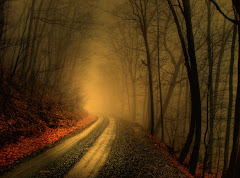
7. Sharpness is not always the deciding factor on choosing which photos to convert to monochrome. In this photo I chose to use the softness of the photo to draw on a sense of mystery. The blurring of the tonal contrast is what I think makes this photo pleasing. As well as effect of fog on the dappled light.


8. Sometimes less information can be more. This photograph in color would not have near the impact of a black and white image. The dramatic impulse of the deep black and whites was the deciding factors in converting this photo to black and white. The color version of this photo would have been completely unappealing.

9. My personal experience with black and white as opposed to color photography is that it appeals to a smaller audience. But, often the audience is more upscale in the prices that they will pay for good monochrome images. There is also a certain intrinsic reward in creating a beautiful image without the use of a large color palette.

10. I encourage you to experiment and not always think in terms of color. You may be passing up opportunities that you might just overlook if you do not look into black and white possibilities.

Monday, September 28, 2009

Top Ten Tips on Protecting your Pictures Online


Unfortunately pictures even copyrighted pictures are often taken and used by profit by those who do not have permission to do so. This has happened to me and I am sure perhaps to you. So what can you do to protect your images?

1. Be sure and copyright your images: I suggest you make sure that you use the full copyright protection. If you use Flickr you can choose full copyright when you upload your photos.

I realize that there are lesser forms of protection like creative commons. There is much discussion in favor of creative commons, but you should realize that this opens the door for free use of your photographs without regard to your wishes.

If your picture has value and you offer it free you are not only hurting yourself, but everyone else who would wish to sell their photographs by devaluing the market as a whole. '

If you want to let someone use your photo for free for whatever reason you can grant that if your picture is fully protected. With full copyright protection, you always have this option. At times I have offered my photos free to non profit organizations or for causes I support.

2. Use Photo protection: If you use photo sharing sites like Flickr use the deepest level of protection the site offers. You can do this through the options you can select in your account.

Also consider only using a medium sized image viewable to the public. While security options can be defeated, this does offer a level of protection that you should utilize.

3. Read the TOS: TOS is short for Terms of Service. Most legitimate sites where you may post your photos has a link to the TOS on the bottom of their web page.

Be sure you are not granting rights for the site to sell you photographs to the public or to their affiliates. Generally, most ethical sites will not do this.

There are exceptions, and you should be fully aware of how a site may use your photos. Be wary if you read you are granting the site a license to use the photo in whatever manner they choose.

I personally do find it acceptable if the site wants to use your photo for promotion on their website.

Also, be wary of photo contests that want full licensing or even relinquishing of the copyright if you submit a photo to their contests. Your photograph may not win the contest and you might find it being used for profit through their company or affiliates. Here is example of what happened on one of these contests by Capital One.

TOS can be confusing, but it is up to you to know what you are giving up when you enter a contest or submit a photo to a site.

4. Periodically search your for photos: This might not be 100 percent effective in finding misuse of your photos, but it is a useful tool. Google Similar Images is a beta program that allows you search for similar photos like yours, and perhaps you will find yours. There are sites that will use your images for profit without your permission and this is one way to find those sites.

UPDATE: One of the best tools for finding your photos online has been released in beta: It is called TinEye. I have used this search on one of my photos and it turned up six occasions when someone has used the photo claiming it was theirs. As TinEye moves from Beta it will offer even a larger data base for finding your photos even if they have been altered. This is really a great tool.

What I personally allow is use of my pictures of web resolution only with a link back to my original picture. Use of my photos with a link back I consider a good promotional tool.

5. One thing to do if your photos are stolen; If you find you photos where illegally taken off a sharing site like Flickr and put up for sale on another site. Contact your sharing site immediately. If it is Flickr send an abuse report.

I have found that most theft through Flickr happens through use of their API. If someone has abused the API according to their TOS they are quick to act. Other photo sharing sites would also respond quickly also.

6. Confront the abuser: This can result in varied responses. In most cases the abuser will remove your photo. Often times the abuser has acted out of ignorance and will remedy the situation to your satisfaction.

However if you do not get satisfaction, it is time to consider demanding payment or hiring a copyright attorney. To understand copyright protection here is what you need to know.

7. Do not over react: Whenever you find an image of yours being used, be sure to check if it is being used for profit by the site in question. As I stated earlier I allow people to use web resolution photos of mine if they provide a link back.

This can work in your best interest in promoting your photos for sale, by expanding the audience base. I allow this even without providing permission.

Also, when you join sharing sites or enter contests realize that limited licensing of your photos are appropriate. You must way the value to you in allowing limited use of your photos. I tend to allow this unless the licensing is far ranging.

Every grant of rigthts should be carefully considered when you read the TOS on the site. When you do find misuse of your photos I would suggest to try to talk first to resolve the issue. But if resolution is not achieved a stronger approach may be necessary.

8. Finding your photos on publications: I have at times found my photos on publications used without my permission. In each case I have successfully resolved the issue through communication with the publication and reaching a fair sum for compensation. I have yet had to file a copyright infringement suit, but if necessary I would. My rule of thumb is to talk first, but if needed do not rule out legal action.

9. Using photo sharing sites: One of the main advantages of using photo sharing sites like Flickr that the copyright notice is applied to your photograph as soon as it is published. It not only protects your photograph it provides a timeline that few can dispute. Any photo posted later by another and attempted to be copyrighted can be sucessfully disputed by which one came first.

10. Use a watermark: I use watermarks on all of the photos I post to Smugmug. I do not do this with Flickr although it could be helpful. Watermarks can be cloned out but takes some effort. On Flickr I have only low resolution pictures available that are only of web resolution.


Tuesday, August 25, 2009

Ten Top Ethics for a Nature Photographer


Many disciplines have their ethical guidelines, including fields of photography like photojournalism. I am not sure if others have their ethical guidelines for nature photography, but I thought I would share mine.

1. Share beauty: What you capture in lens can be so beautiful, entrancing and wonderful. Help guide others to the appreciation of beauty you see as a communion of spirit. Let others know of your deep respect and love for nature. So that love can help them find their love.

2. Respect the land: With every action you do when you step into the world, try to leave the least imprint of your presence. If you see where someone has left garbage or something that has marred the environment, do what you can to set things right even in small ways.

3. Do by example: If you go on an outing with someone else show by your behavior your respect for nature. Sometimes small little acts are worth more than a thousand words of advice.

4. Treat animals with love and respect: Animals deserve our respect and love. Never mistreat, abuse animals in nature. Follow the guidelines in not feeding wild animals. And share with others the reason why. Respect the space of animals and do not intrude or interrupt their life.

5. Become in sync with nature: Go quietly into nature. So often I see people in conflict with the sounds of nature that they never have the opportunity to see the beauty that unfolds around them. Noise and even loud voices interrupt the rhythm of the natural world and as you pass through nature it will hide from you til you are gone.

6. Take the time to observe: Quiet and stillness are some of your best friends in the natural world. Take the time to be still and just look to see and feel. And the world will open to you.

7. Teach the children: Show your children appreciation of nature, teach them what you know. And show by example your love and respect for the physical world.

8. Remind yourself of your ethics: Even with this exercise of writing this post. I am remembering and reinforcing what I know is important. Sometimes I stray, but thinking about these things again helps me to better interact with nature.

9. Learn from the example of others: There are many who excel in their dealings with the natural world more than you or me. And you can learn lessons just by watching. You can learn from anyone they may be smarter than you or less so. But they all have lessons to teach.

10. Man's world is different than the natural world: Sometimes it is easy to lose sight that man makes a world different than the natural world. Man has estranged himself from nature in many of his thoughts ideas and concepts. He lives almost in an artificial world of politics and his technological environment . I think it is important to understand our artificial world for what it is and the natural world for what it is. When I move in the natural world I try to leave man's world behind.

Ethics to me are not hard and fast. They are a guide and a reminder of how we humans and nature should interact. And if you can bring your camera to illustrate the beauty and spirit of nature you are performing a service to yourself and perhaps others.

Sunday, August 9, 2009

Top Ten Ways to Improve Your Photography


Photo Mystery of Grace.
Caption: “I do not at all understand the mystery of grace - only that it meets us where we are but does not leave us where it found us.”
Anne Lamott


Are you on the top of your form and you have reached the top photographic perfection? My hat is off to you. For someone like me it is like being in the old west. There is always a faster draw and I am still learning how to slick out that gun faster.

Photography has been a continuing challenge. And it is a constant learning curve that I climb.

And I am certain that hill will always be before me. On this hill there are photographers both behind and ahead of me. But the important thing is that I continue the journey.

So having been on this sojourn for awhile I thought I might share some thoughts to my fellow travelers.

1. Its not the camera: Many of my published shots and those that have won contests have been done with a point and shoot camera. Right now I have a picture that has been accepted to a National Juried Show that was taken with a digital elph.

While like most photographer junkies, I am constantly up grading my equipment. But like a jarring stick I am constantly brought back to the reality that any and every camera can be an effective tool. The best advice I have ever heard for a camera purchase is does the camera feel right in your hands.

2. Its not the photo editing program: I have used a variety of photo editing programs and have gotten great results with all of them. I must say Adobe Photoshop is my favorite. But I have pictures that have over six million views and have won contests that have been edited in cheap programs like Microsoft Digital Image Suite and have never been touched in Photoshop.

3. Its not even the photographer: I do think if you handed a camera to a monkey and he took enough pictures that somewhere in that pile would be some great photographs. I think you could even take great photographs with your eyes shut. Revisit this post to see the evidence.

I am constantly surprised when I see cameras sold on eBay that only have a couple of thousand or less shutter actuations. I take that and more in one days shooting. If I advertised my camera for re sale on eBay it would go something like this:

A used to death Nikon D80, all the paint worn off all the buttons. Camera has been used in the rain, snow, sleet, and has been submerged under water. Like a Timex this camera has taken a beating and keeps on ticking off great pictures. Shutter life expectancy 80,000 actuations. This camera has a quarter of a million. I think it is just getting broken in. By the way, this camera is not for sale, I love it.

The point is take lots of pictures and you will end up with some great shots.

4. It is not Photoshop by the numbers: If you follow Photoshop tutorials remember that you are doing the same thing everyone else is doing. The best way to use those tutorials is to look for small things that you can add to your own style. If you follow the full tutorial realize you are using a cookie cutter approach and you photographs will be a generic feel similar to everyone who follows the tutorial.

This reminds me about paint by the numbers that was popular in the late fifties and early sixties. One clown picture really sticks in my mind that was done by millions. Oddly, this has evolved into collector art, and even a paint by number picture was hung in the White House by none other than Edgar J. Hoover.

5. It is composition: Photo composition is the primary reason photographs draw an audience. While you can have all the technique and style in the processing end, if you don't have a good or even great composition your photo might as well be decorating a dung heap. There are many ways to frame your photographs. And people have written extensively about all the techniques. You should read them, know them, and make them a part of your DNA.

Remember a photograph is only a flat piece of paper. Using composition tricks the viewer in finding depth reaching for that three dimension feel. And, if you enter the fourth dimension that portends symbols and markers for the audience to relate. You will capture the imagination of the viewer.

So how do you know your composition is working? Well, if you have made the knowledge of composition part of your DNA. You will get an actual feeling of wow before you push the shutter. Yep, you feel when you are in the zone. It is a thoughtless process and that is what works for me.

6. It is paying attention to detail:
This was and is one of my hardest and continuing lessons. My processing time for a photo is at minimum now about four hours. I try to pay close attention to each nuance of the photo. I will intently go over the photo by enlarging it to view almost each pixel. Even then, I can find flaws after the photo is processed.

I just do not tell anyone were the flaws are, but they really stand out to me. And, I do go back often to correct them.

Attention to detail in photography is paramount. Henri Cartier-Bresson touched up his photos with a one hair brush. This is what separates the wheat from shaft in photography. This tool, I have found indispensable in photo processing. If you do not have it, it should be your next purchase to improve your photos.

7. It is knowing light. Photography in the basic sense is how objects interact with light. This is what you are recording and it is the most basic element of photography. As composition should be part of your DNA, your knowledge of light should be second nature to you also. Study light and your photography will improve by quantum leaps.

8. It is knowing your black and white point: By black point I mean the very darkest part of your photograph and white is the lightest. Between those points are the gradients of change. Each point in that transition defines your photograph. Everything from tonal contrast, effective colors, to sharpness and blur are reliant on effective black and white points.

9. It is passion: It is having that driving force that compels you to take the best photograph you can. And it is the gumption to process your photograph at the highest level of your skill. It takes a certain amount of compulsive behavior to continue to aspire and push yourself harder. And you have to enjoy the push, if not find something else you are passionate about.

10. It is confidence: At some point you have to decide that you are a good photographer. And even better a great photographer. There is lots of competition and there are many great photographers. You have to elevate your self esteem, and promote yourself in that class. If you do not consider yourself a great photographer no one else will either. I generally let my pictures do my talking by carrying a portfolio.

Friday, July 31, 2009

Ten Top Tips on avoiding camera scams and getting the best camera deal


Are you planning to make that big step forward and upgrade your camera equipment? Do you need some practical advice in getting the best deals and safely buy online? Its a jungle out there and here is the top ten tips on taming the beasts.

1. Do not buy blindly: There are predators out there who are looking to separate you from your cash. You will see ads in the internet jungle that appear to be legitimate companies offering unbelievable deals and I suggest you don't believe. At the least they are bait and switch operations and can be even more sinister once they have your credit card information. The companies change their names and location often and you will see them in internet ads. Perhaps even on this page.

Top ways to be savvy:
Before you buy Google the name of the company and complaints.

Check the Better Business Bureau.

Take a look at Thoughts by Dave and through all his posts to help identify these predator sites. He is constantly uncovering these sites and it is worthwhile to look through all his posts.

And for your entertainment and education look at Brooklyn Camera/Electronic Dealer Store Fronts. Here you will find a guy who researches camera dealers and bikes to their place of business. He takes pictures of the stores or supposed stores. Be prepared to see the seedy side of these glitzy websites.

Buy from the true and tested companies that specialize in cameras. Adorama, Cameta, BH camera and Amazon are companies that you can trust. Consider buying from these companies through Amazon. Just look at more buying options and you may see better deals through these vendors.

2. Be wary of Grey Market cameras: If you live in the United States cameras made for other country markets and sold by resellers can offer a serious compromise in getting warranty service. For instance Nikon USA will not service grey market cameras or provide firmware updates.

Generally you can identify a Nikon Grey Market camera by the first digit of the serial number.

3 means Nikon USA.

While grey market cameras might be made exactly the same as Nikon USA models, I have heard rumors that the Asian Nikon D300 is not encased in magnesium but polycarbonate.

Serial numbers beginning with:
2 - Japan
3 - USA
4 - Europe (excluding UK)
5 - Canada
6 - Australia / New Zealand(?)
7 - Asia (excluding Japan)
8 - UK


3. Getting the best Deal refurbished:

Buy refurbished: This is one of the best ways to buy a camera, generally you will have to look hard to tell it was refurbished at all.

I buy Nikon and if I buy a refurbished camera I am confident that the camera has been cleaned, re-calibrated and brought up to standards by Nikon.

I personally consider this a better option than buying new. They check these cameras more intensely than the ones coming off the assembly lines.

Cameras that are refurbished come with a 90 day Nikon warranty. Unless you buy through Cameta that offers a full year warranty. I really recommend buying through Cameta I have only had great experiences with them. Cameta has internet store fronts on Amazon and eBay. Check both.

4. Buy Used: Go carefully into this dark night. You can buy used on eBay and on Amazon I would suggest Ebay.

Use due diligence by making sure your product is not grey market by following the previous advice.

Buy through Pay Pal to assure that the product is not misrepresented or a scam.

Look carefully at the pictures and if they are stock photos be more cautious. Look for missing items that you may need to purchase.

Read the item description carefully to identify any hidden surprises. Look for the number of camera actuations that can be discovered by using a program from Opanda.

Check the sellers rating.

Check the other products the seller is selling.

Be wary if the seller like this: "quantity ten used cameras." Or if they offer free shipping on other items which are cheap large and heavy.

I have seen one seller selling ten new cameras and grandfather clocks at a cheap price and free shipping. eBay removed him from their listing because it was an obvious scam.

Ask the seller a question just to make sure how responsive he will be after the sale.

Bid in the last minutes of the auction to avoid driving up the price.

5. Use Bing Shopping: Bing shopping is an innovation by Microsoft Live and can offer you savings on eBay shopping at about 8 percent. These are generally for buy now items, and can give you serious cash back when you buy refurbished from companies like Cameta.

6. Consider buying broken cameras: Now this might seem like strange advice if you are not familiar with camera repair.

Yet, most people will shy away from buying a broken camera and the price can be seriously lower than cameras in mint condition.

Now this can be a crap shoot, but repair companies like Precision Camera do a really good job on camera repairs quickly and bring your camera up to manufacturer specs. I have used Precision Camera and recommend them highly. If for instance, you have a broken Nikon D300 the repair would be about 300 dollars. Another camera repair place is Teleplan. They offer repair prices cheaper than Precision but I have no experience with them.

UPDATE: You should check this before having repairs done by Teleplan.

7. Consider Sam's Club auctions: Sam's Club auctions are completely reliable and offer new products. They may not have the camera you are wanting but chances are you will get a great deal if they do. Products are new in the box. A Sam's membership is required.

8. Think before you buy: Remove the impulse trigger from your finger tip. Do your research and think carefully. Consider all of your options.

9. Look an auction over at least three separate times: Understand the seller is bound by their description. Sometimes descriptions are updated during the auction. So read carefully and look at the pictures intently.

If I am seriously considering buying I may even copy the picture and blow it up to see all the fine details I can detect.

10. Good luck with your purchase: If you do your research well you should end up with a great product perhaps at a considerable saving.

One final hint if you are buying used is to look at the paint wear on the camera buttons. If the wear is noticible consider that this may be a camera on its last legs.


Friday, June 26, 2009

Ten Top Tips for a Photographer's Wish List


Photo taken with a Panasonic Lumix DMC-TZ5A 9.1MP Digital Camera


Being on top of your game in the photographic field not only requires top photo skills but keeping up with new developments. Here are some product tips and short review of what I have found interesting.

Some of these I own myself, others are on my wish list. And some, I thought might just be interesting, but I have no plans to purchase. Check my recommendations here for an honest opinion.

1. Eye-FI SDHC card

* Wi-Fi Security: Static WEP 40/104/128, WPA-PSK, WPA2-PSK Mac and PC Compatible
* Stores photos and videos like a standard memory card
* Wireless upload of photos and videos via Wi-Fi to your PC or sharing, printing, social networking or blogging web site, even when computer is off
* Upload photos and videos wirelessly from over 10,000 Wi-Fi hotspots across the nation.
* Automatically adds geographic location information (geotags) so you can easily find and organize your memories.

This is not on my list to buy. A neat idea but is it really necessary item for me or you?


2. Polaroid Pogo:

* Digital camera with integrated printer instantly delivers full-bleed borderless images that are dry to the touch
* Features automatic image quality optimization with water-resistant, tear-proof, smudge-proof and peel-off prints
* Prints 2 x 3-inch borderless color images in under a minute
* Print speed: 60 seconds per print, from snap to share

Wow, I thought this was interesting Polaroid is getting back to the instant picture concept again. I can't see the need for this camera for me. But there maybe some creative minds out there that see advantages I do not.


3. Panasonic Lumix DMC-TZ5A 9.1MP Digital Camera

This is one very cool camera to carry in your pocket. I bought one before a trip to Yellowstone and I am impressed by its ability to have a long aspect ratio. As an added benefit the HD movies it can record are just superb. The picture above is an example of its ability. I use this camera on every camera shoot even if I have my DSLR with me. An indispensable pocket camera.


4. LensBaby Composer:

Yes, this is definitely on my wish list. I have seen what can be done with this lens and I want a lens baby to call my own.

This new lens from Lens Baby offers creative control for the experimental photographer. The ball and socket design and interchangeable lenses offer the ultimate in getting that sweet spot just were you want it.


5. Joby GP1-EGEN Gorillapod Flexible Tripod:


This tripod is definitely on my to buy list. I see uses for it when I do event photography and need a third hand.

Flexible tripod designed for digital cameras weighing up to 9.7 ounces (275 grams)
Fits into your purse, backpack, or jacket pocket
Innovative segmented leg design to ensure secure mounting
Standard universal 1/4-20 screw for attaching your camera to the tripod mount


6. Caselogic UP-2 Universal Pockets:


If you have had any experience with caselogic cases, you know their quality at a reasonable price. These pockets are great for small camera protection in your pocket. I own several and use them daily. One is connected to my key chain now.


7. Holga 120CFN Medium Format Fixed Focus Camera with Lens and Built-in Flash with Color Filter Wheel:


Not exactly an innovation, but a blast back into film cameras. This is one of the premier cult cameras with all the desired idiosyncrasies of the beatnik artistic photographer. Be sure to read extensively about lomo photography. And you too can become a debutant in off beat artistic photography.

This goes on and off my wish list as often as a coin turns up head or tails. A low priority, but may get one someday.


8. Lowerpro Sling bag:

Definitely on my to buy list. I have a camera bag that carries all my equipment and it is great to get everything in one spot: the car. Twenty pounds is a little much to lug around. A small light bag like this would be perfect to carry the essentials on a hike or event shoot.


9. Tamrac N-5055 Neoprene Shock Absorber Digital Camera Strap (Black):


I own this and love it. Do you ever get tired of the camera strap digging into you neck. This solves the issue and I love the two pockets on the strap that I store my memory cards. Now I always have my memory cards ready to change. A definite must have.


10. Wacom Intuos tablet:


You mouse is like a bar of soap on rough slate. This is like a precise instrument that can reach to the one pixel level. I have this love it and do not know how I did without it.

Sunday, June 14, 2009

Ten Top Tips for Winning Photo Contests


Title: Angel Awakening
caption: If one looks closely enough, one can see angels in every piece of art. ~Adeline Cullen Ray


The above photographic montage will be entered in a contest in July. I have based my decision on this entry on the ten tips below. I am already thinking this will be a winner.

Can you win photo contests? I would think so. I have had winning entries in over 50 percent of the contests that I have entered, both locally and internationally. So are there secret keys to success? Yes, so please don't share these tips it is our secret.

This is what I do with every contest.

1. Read all the rules carefully: Be sure what you are getting yourself into. Some contest are just a sham to have your copyright. So be careful. Once you have read the rules comply. And, make sure you use the exact format the contest requires.

2. Look at the past winners: Here you can find exactly what the contest is interested in. Do you have photos of similar quality? Study the past winners for compositional elements, color, subject, and representation. Then study again. These people were not winners of a lottery. They fulfilled the expectations of the judges. And, if a contest put out by a company, or organization: How does your photo play thematically into the message or mission of the contest sponsor?

3. Look at the judges: Not always but often the judges are listed. Now, you need to search and seek out their photographs. Study their photographs carefully. Find in their photographs salient traits and style. Study carefully and you will unearth their taste. Study their bio and their writings. The more you know about who is judging you the better you will be in choosing the photograph to enter. If they write about light, composition or other photo attributes: Then these are the secret keys in unlocking their interest your submission. I would not say mimic their style, but I would say try to present what they would appreciate in a photograph.

4. Go through your photographs carefully: Set up folders of candidate photos based on you would think the judge would pick. Pick perhaps a hundred. Put all your candidates in a folder called "winners." Yes, you need to think positively. Pick out the top ten and put in another folder called "the winners."

5. Get appraisals from others: Now this is the real test. Invite some friends over for evening of photo appraisal. Go over everything you learned in researching tips two and three. Ask them to play the role of judge and show them the folder called "winners." Ask them to pick out the top ten that makes the grade. Once done, compare with your own top ten picks. How many choices were the same? Now, you should have a good idea of which photos to use in the competition.

6. Decide if you should start from scratch: Now decide if your photos really have the mustard to compete. Be honest. If the photos are not competitive you have a camera and editing tools. Armed with what you know it is time for a photo outing and get what you need.

7. Examine your selections: Put your selected photographs back into your editing program. Enlarge you photograph and check every small detail of the photograph. Decide if it can be improved. Attention to detail is an important key. You should offer the most technically correct photograph that you can. Perhaps you have learned a new technique of improvement since you last edited your photograph that you can now apply.

8. Title and caption: Taking the knowledge you have learned in tips two and three, carefully decide on a title and caption. Sometimes the decision of a title and caption for me can take longer than actually editing the photo itself. Do not take the importance of this lightly.

9. The unavoidable bell curve: Realize you are trying to push you photograph to the very best end of the bell curve. If you have followed these tips you are getting to the good end. Ninety percent of the photos submitted will be rejected quickly. You should now have a photo in the top ten percent. One little tip, is to submit early. It may be okay to submit your taxes at the last moment, but photo contests are a very different matter.

10. Be a winner: You are a winner if you followed these steps. You have improved your chances of winning the photo contest dramatically. So sit back and wait for the notification. Don't be disappointed if you lose. Look at the winner and his photos. Congratulate them in your mind. My experience is being a winner 50 percent of the time. Try again and know you are going to succeed.

Friday, June 12, 2009

Ten Top Things Photogs Want to Implant in Your Mind

If photographers could control your thoughts:


1. This would look great on my wall. Right above the sofa. It's going right in my shopping cart. It is a sure thing this is going to go up in value. I think I will collect all his art.


2. I would really love this hanging on the wall behind my office desk.


3. I want to put this right on my magazine cover.


4. I think this would work great for an ad for my business. It will pop right off the page.


5. This picture would be great for my announcement. I wonder if he does cards, postcards and matching stamps?


6. My customers would love a calendar like this and it would promote my business for a year.


7. This photo would be a great book cover. I am going to make contact right away.


8. Wow this would be perfect in the movie I am making.


9. I really want this on my business card, people would be sure to keep it.


10. I could surprise my love with a card while I am away so she will think of me.

Sunday, May 31, 2009

Ten Top Reasons Photographs Sell


As a photographer you can have some of the most beautiful and dramatic photographs. Yet, sales may be slim or not at all. So you may ask yourself, why am I not making sales?

Here are some answers that I have learned through experience.

1. Emotion, emotive, and sentiment: Ask yourself, do your photographs inspire the viewer to connect? The above photograph is named memory lane and has been a good seller for me.

I captioned this photo with a Saul Bellow quote: "Everybody needs his memories. They keep the wolf of insignificance from the door. "


While the title and the quote help set the scene for viewer connection, the photo itself has evoked childhood memories from many.

I have had some viewers and buyers ask where this photograph was taken. They have been sure they have been there, sitting on the wall drinking a soda as a child.

Oddly, they have only visited this place in their memories. I have a color version of this photograph. Although, I think it is a great photo and perhaps better, it does not inspire the same sentiment.
The quotation I used with the color version:

"She glances at the photo, and the pilot light of memory flickers in her eyes." ~Frank Deford

So I wonder, why the sepia version sells and the color version does not? My only guess is that memories are in black and white and people can connect with the sepia version better.


2. Photographs that relate directly to the viewer: Some photographers specialize. If it is Wedding photography, pet photography, or even event photography you have a ready market.

This can be the bread and butter for your craft. One sideline I do is dirt track racing photography. And, because the drivers, sponsors, and fans can directly and emotive connect, I make sales. Plus, there are tons of other perks that I enjoy.


3. Location, Location, Location: The three prime words in Real Estate Sales also applies to photography. Can take good local photographs? If so, you can develop a local market. I do this with the Blue Ridge Parkway and the city where I live, Lynchburg Virginia.

When you take photographs at your location imagine how they would look in a business. Visualizing your photographs hanging on walls is a mental exercise that I do all the time.


4. Is it worthy: Do a self appraisal of your photographs. Would you hang a large version behind your sofa?

And for that matter is one of your photographs being displayed above your sofa?

Your taste may be different from others, but these are pertinent question to ask. Can you compete in the art market place? And if not, decide how you can.

This picture is one of my best sellers and has appeared in National Magazines, such as National Geographic. And it is behind sofas of a select clientele worldwide.

5. Exposure: We are not talking about film exposure here, we are talking about your exposure. Do you do shows, do you exhibit? The more you expose you photographs the more sales you make. You can show your pictures on the Internet, but there is nothing like people seeing your photographs in person. Get out there and expose.

6. Tell your friends: People that have a connection with you are very likely to buy your photographs. There is nothing like a photograph at a friends house. They can tell their friends I know this photographer and he is great. You might even consider gifts to your friends to increase your exposure.

7. Donate your work: Promote your photography by donating your work to institutions and charities. This both lends to reputation and increases your exposure. And, besides this is a good thing to do.

8. Have a beautiful online gallery: I have opted for SmugMug for some very important reasons. I highly recommend SmugMug and I suggest you read why.

9. Show your attributions: Attributions are in essence testimonials about your photographs. I had someone else write mine, because I am shy. Attributions add meaning to your photographs, and suggest other reasons to develop interest in your photographs.

10. Be personable: As a photographer not only do you need to connect with your photographs, but as a person. Many people want a sense of who you are. Let them know you and they will be more apt to buy your photographs. Photographs are visual emotions and the more you can connect the better you will sell.

Monday, May 4, 2009

Top Ten Ways to Inspiration Photography

I have packed my bags and ready to go. I have also been stocking up on inspiration. And I thought, I would share my process of being inspired. This is my yoga before going on a two week photo shoot in the National Parks of the Midwest. While there are some tutorials here, most of what is offered is how to build a mind set for inspiration. Enjoy and breath in deeply.

1.


2.

3.


4.


5.
Edward Curtis who impressed me at a young age.

6.


7.
The rule of thirds debated.

8.


9.


10.

Friday, April 10, 2009

Top Ten Steps: Making a YouTube Slideshow


As a photographer who wants to gain exposure, you might have overlooked the idea of placing videos on YouTube. Here are ten easy steps to make a video slide show on YouTube. Above is my best example of what works best in a slide show.

1. Download Picasa. Picasa is not only an excellent way to organize your photos, it makes making slide shows a breeze.

2. Create an album. This is easy to do, and it does not move your files from their folders. To start just select file at the top of the page then click new album and name your album.

3. Select your pictures. This is very easy. Just right click the photos and the pop up menu will have add to album. Click on the album name and instantly the photo is added to your album.

4. Know how many pictures equals the running time of your video. You can use this as a rough guide. 147 pictures will give you a running time just under ten minutes. To keep your visitors interested I would recommend a running time of no longer than five and half minutes. Just remember YouTube only allows a maximum ten minute run time. For a five minute run time I would suggest around 80 pictures.

5. Arrange your pictures. Remember that pictures can tell a story. Order your pictures in an arrangement that makes interesting transitions.

6. Let Picasa do its magic. Once your pictures are arranged just press the create a slide show. I usually stick with the standard options for this, except I find the pan and zoom transition more entertaining. Now you just have to wait for the movie to be made.

7. Get a YouTube account and upload your video. While uploading, I add in the title and description and tags etc. I set to private, until I am ready to go live. And that happens after I complete the next steps.

8. Add music. Once your video is uploaded and processed on YouTube, you can now add music. Just click the audio swap button and check the box, "Only show songs of similar length to my video." Then preview the songs that are suitable for your slide show video.

9. Go back to edit and make your video public. I wait until the audio is live.

10. Share the fun. I have set up a blog to feature my race track videos, you can also share through the variety of social network sites. And be sure to tell your friends. This is a fun way to promote your photography.

Sunday, March 29, 2009

Ten Top Cures For Photo Block

A lesson in patience

If you are not out photographing you are not refining your craft. I am amazed at the many used DSLRs out there with a very small number of shutter clicks. In a day I usually do more shots than some people put on their camera in two years. So if you are one of those who has a camera gathering dust, here are some suggestions.

1. Always take your camera with you. Having your camera handy will make you more apt to use it. And, you just might run across that 100,000 dollar shot.

2. Look at the clouds. In photography the sky is not the limit. When you find those beautiful cloudscapes look for a place to take a picture.

3. Go to Parks, Zoos, Events. I am always finding new places to shoot, and returning to places I have shot before. Not only will you have an enjoyable trip you may get some of those awe inspiring pictures.

4. Listen to the Birds. Now, this might seem crazy, but when I hear those birds sing I just have to get out with my camera and spot birds and take pictures.

5. Post a picture a day. No matter what photo sharing network you belong to make it a habit to post a picture every day. For every photo I post I take a hundred. I can take a hundred pictures in less than hour. If I am at an event it is not unusual for me to take 500 pictures in an hour. One of those is likely to inspire me to process the photo. Have a shutter and click it.

6. Take your camera to work. I know some may not be allowed to take pictures at work. But if you can do. And, on the way to from work and at lunch you might find some exciting photo opportunities.

7. Compose pictures in your head. No matter where you are or what you are doing think about how you would compose a shot. If you do not have a camera with you, compose away. And, remember always to have your camera with you.

8. Pick a theme for the day. I am a photo opportunist and shoot whatever I find. Sometimes however I go out in the day and think lets do some macros, or river shots. I use these as guides but this does not limit the subject matter that I might find interesting.

9. Take a ride out in the country. There is nothing like exploring new places. Take that road that you have never been down before. Do some serious exploring, and if you can get lost. I personally find new and interesting sights while lost.

10. Go out on bad weather days. Snow, rain, fog, all make great photo shots. Don't be a sunny day shooter. All days are prime days to take photos.

Thursday, March 19, 2009

Top Ten Things to Monetize your Photos

The eye of the tiger


1. Remember the idea emotion not emulsion. “Kodak sells film, but they don't advertise film. They advertise memories.” This thought from Theodore Parker is a good reminder of how you should approach photo sales. The more a photograph means to someone the more it is likely to sell. People connect sentiment with photos and this should not be lost to the photographer. A personal approach with all of your clients should be one of your highest priorities. Wedding and event photographers have captured this idea intently.

2. Do what ever it takes to make sure your site is personable and friendly. Some gallery sites I have seen show the pictures, but do they show your character. Let people develop a sense of you by being as sincere and honest as you can.

3. Use Twitter. If you do not have a Twitter account you should have one. Networking with potential customers can add a positive impact on your sales. Follow me if you like. Besides photographers, I try to network with possible clients and users of photography.

4. Make people aware of your reputation. This can be accomplished with an about page. It is your resume be honest and do tell them about your accomplishments. Attribution is an important factor in making sales.

5. Once you have a client continue to follow up with them. You should not do this to the point of being obnoxious but to a degree to show them you care. Sometimes I will send them a gift out of the blue, just to let them know I am still thinking about them.

6. Make cards and postcards. I find these are big sellers when you exhibit your work. It can make the difference between a flop and a success. You can capitalize on the impulse buyer who may not want to spend on a signed limited edition print. I make mine at Zazzle were sales from online offset my costs for what I offer at exhibits.


7. Folding cards and stamps. These could be particularly useful for Wedding photographers. You can make customized Wedding invitations with stamps at Zazzle.

8. Make calendars. I make calendars for both promotion and for sales. I like QOOP for their nice large linen calendars, and Zazzle for the smaller calendars I offer.

9. Tell people about the promotions that your third party sellers are offering. For the next two days Zazzle will be offering a half off promotion on posters, if you enter this coupon on check out ZAZZLEPOSTER. Zazzle offers frequent coupons that can really cut your costs. And, they are also great for your customers.

10. Enter contests. When you win contests it reflects positively on your ability as a photographer. If you do not win, look at the winners what did differently. Not only does this improve your photography it helps you to be known in wider circles.

Sunday, March 15, 2009

Top Ten Photography Myths

happy New Year!

1. The best times to photography is early morning and late evening.

False. Yes, these are exceptional times for photographing, but all daylight hours are good. It is a matter of planning of your shooting. Evenings and early mornings are great for landscape shots, but great shots can be made during other hours of the day. I usually take walks through the woods in mid day when the lighting is usually better because of the over head canopy blocks so much of the light. Later in the day and earlier lighting may be inadequate.

2. You should always shoot with the sun on the the side of your shot or behind you.

False. Sometimes shooting directly with the sun in front of you can make for some great shots. Silhouettes are best made this way. And sometimes you can catch the shimmering of light that causes a photograph to reach an ethereal quality.

3. Its best to shoot on cloudy or overcast days.

False. Any day is great for photography. It is always the ability of you to manage your shots with the light at hand. Cloudless blue skies with green landscape can make for very striking photographs. Wildlife photos with excellent detail can also be achieved on bright days. Light and shadows under trees can make for interesting compositions.

4. Its rainy or miserable outside and you think it is a bad day for photography.

False. Some of the best atmospheric shots can be made on days like this. Get your camera and go. And, just a thought; sometimes you might end up with very grainy photos and you might think of deleting them. Take a second look on your computer, some of these may turn out to be great shots after processing. The shot above was one someone would might delete because it was so grainy before processing.

5. I can't take great shots because I have a cheap camera.

False. Any camera can produce great shots. All cameras do have their particular limitations, but even with the cheapest point and cameras can produce some excellent photographs. Learn the limitations of your camera, or better yet learn the wonderful capabilities that each camera possesses. Some of my most published photos were taken with a cheap point and shoot. Even one that ended up in National Geographic.

6. Its important to have a collection of filters and polarizing lenses.

False. Many great photographs are taken without any filters at all. While polarizing filters and other filters may have their place, the first filter you should have is a UV filter to protect the lens itself. I personally like taking photographs through clear glass as much as possible.

7. My photograph is not good because a good photographer told me how bad it was.

False. While it is helpful to have have a critical appraisal of your photographs, always take criticism with a grain of salt. You decide if you like your photograph. Take criticism as a means of improvement. And, just a little secret when sometimes you do get some negativity, it can be a sign that your photograph may be really good. Some photos that I have negative comments on proved to be my most viewed photos. And without earnest criticism you will never improve.

8. I have a photographer that I admire I will never be able to take shots like him/her.

False. Be persistent and take lots of shots. Work hard on your composition, and post processing skills. Try to figure out how the photographer achieved his shots. Emulate his style and look carefully at the post processing. Sometimes the learning curve may be long, but you can reach the goal. And most importantly, it is up to you to develop your own style. Style is your fingerprint on the craft. By understanding others your own style will evolve.

9. My photographs look flat and uninteresting, I can't take a good photograph.

False. Sometimes simple adjustments to light and contrast can improve a photograph dramatically. As you develop more post processing skills, you will be able to tell what each photos needs. Sometimes the processing comes quick. Sometimes you may spend hours working on a single photograph. And remember, I make take a hundred pictures before I select one for processing. The biggest mistake I see other photographers making is that they will take one or a couple of photographs of one scene then leave. I tend to spend hours at one location finding the right nuance of light to make a photograph special.

10. I have already photographed that scene, I don't need to go back.

False. I find myself always returning to the scene of the crime. Above is one of my favorite places to photograph. I have photographed it in all seasons and in all manners of weather. I am always amazed that I can bring back something different. The photo above was taken in the middle of a rain storm. Just goes to show any time is great photography.